How Crash Reconstruction Helps Determine Fault in Fatal Car Accidents
After a fatal crash, families often receive conflicting accounts of what happened. One driver may claim the other ran a red light, witnesses may remember events differently, and the person who died cannot share his or her side of the story. Crash reconstruction offers a way to look past competing memories and focus on physical evidence. By studying the scene, the vehicles, and the data stored inside them, trained reconstruction professionals can often develop a clearer picture of speed, timing, and driver behavior. For families pursuing fatal car accident claims in Las Vegas, these findings may help show who was responsible. This article explains how reconstruction works, how its findings connect to fault, and why timing matters when evidence is involved.
What Crash Reconstruction Involves
Crash reconstruction is the process of using physical evidence, engineering principles, and recorded data to determine how a collision unfolded. It typically draws on several sources of information at once.
Examining the Crash Scene
The roadway itself can hold valuable clues. Tire marks, gouges in the pavement, fluid trails, and the spread of debris may indicate where the impact occurred and which direction each vehicle was traveling. Reconstruction professionals also measure lane widths, curves, slopes, and sightlines to understand what each driver could see in the moments before the collision.
Inspecting the Vehicles
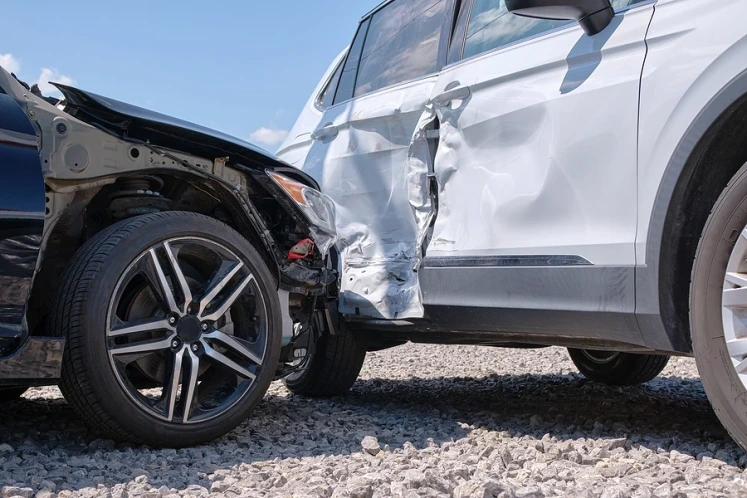
The damage to each vehicle tells part of the story. The depth and location of crush damage can help estimate the force of impact and the angle at which the vehicles met. Investigators may also examine brakes, tires, lights, and steering components to determine whether a mechanical problem played a role. Photographs taken soon after the crash can be especially helpful because vehicles are sometimes moved, repaired, or dismantled before anyone has a chance to inspect them closely.
Reviewing Electronic Data
Many passenger vehicles contain an event data recorder that captures information when a crash or similar event occurs. According to the National Highway Traffic Safety Administration’s event data recorder research page, this data is routinely used in the agency’s own crash investigation work. Depending on the vehicle, recorded information may include speed, braking, throttle position, and seat belt use in the seconds before impact.
The table below summarizes common evidence sources and what each may help reveal.
| Evidence Source | What It May Help Reveal |
|---|---|
| Tire marks and roadway damage | Braking, steering, and the point of impact |
| Final resting positions and debris | Direction of travel and collision angle |
| Vehicle crush damage | Impact force and approximate speed |
| Event data recorder | Speed, braking, and throttle in the final seconds |
| Traffic and surveillance video | Signal status, vehicle movements, and timing |
How Reconstruction Findings Point to Fault
Gathering evidence is only the first step. The real value of reconstruction comes from connecting that evidence to the decisions each driver made.
Estimating Speed and Timing
Using measurements from the scene and the vehicles, reconstruction professionals can often estimate how fast each vehicle was moving and how much time each driver had to react. These estimates may show whether a driver was speeding, braked late, or failed to slow for traffic conditions. Even small differences in speed can change how much distance a driver needs to stop safely. Timing estimates may also show whether a hazard was visible long enough for a careful driver to avoid it.
Testing Competing Accounts
When drivers and witnesses disagree, physical evidence can help determine which version of events fits the facts. A claim that a vehicle was traveling slowly may be difficult to reconcile with deep crush damage or long skid marks. Reconstruction does not rely on anyone’s memory, which can make it especially useful when the person who died cannot speak to what happened.
Identifying Contributing Factors
Fatal crashes do not always have a single cause. A reconstruction may reveal that poor visibility, a malfunctioning traffic signal, a vehicle defect, or the actions of a third driver contributed to the collision. Weather, construction zones, and missing or confusing signage can also affect how drivers respond to sudden hazards. Identifying every contributing factor can help families understand whether more than one party may share responsibility.
Why Reconstruction Matters in a Nevada Wrongful Death Claim
In a wrongful death case, the family must show that another party’s negligence caused the death. Reconstruction findings can support that showing in several ways.
Responding to Claims of Shared Fault
Insurance companies sometimes argue that the person who died was partly to blame. Under Nevada’s comparative negligence rule, found in the Nevada Revised Statutes on actions concerning persons, a recovery may be reduced by the percentage of fault assigned to the person who died and barred if that share is greater than the fault of the defendants. Reconstruction evidence may help respond to these arguments with facts rather than assumptions.
Going Beyond the Police Report
Police reports are an important starting point, but they are often prepared for traffic enforcement and criminal purposes. An officer’s conclusions may be based on limited information gathered at the scene. A detailed reconstruction can examine evidence that was not available or not fully analyzed when the report was written. Families can request a copy of the report and compare its findings with what the physical evidence shows over time.
Preserving Evidence Before It Disappears
Crash evidence can be lost quickly. Vehicles may be repaired, sold, or salvaged, roadway marks fade with traffic and weather, and video recordings are often overwritten within days or weeks. Taking steps to preserve the vehicles and request records early can help keep this evidence available for analysis.
Finding Answers After a Fatal Crash
When a loved one dies in a crash, families deserve to understand what happened and why. We know how frustrating it can be to hear conflicting stories while trying to cope with such a painful loss. At Maier Gutierrez Wrongful Death Lawyers, our team works to secure crash evidence early and collaborates with qualified reconstruction professionals when the facts call for a closer look. Our Las Vegas fatal car accident lawyers can review the available evidence, explain what it may show about fault, and discuss how it could affect your family’s claim. If you have questions about a fatal crash, we invite you to contact us for a free consultation so we can help you understand your options and the next steps.